You must attribute this list to summer boredom or to the impending certainty of 2012, but I've listed down below the films checklisted by Steven Jay Schneider in his book
(2003), and I have decided to devote time in the foreseeable future to see the titles on this list ... before I die.
I like this list. And like any list, it necessarily leaves out personal favorites ("The Lion King" but no "Little Mermaid"?), and takes in too many things I suspect to be the result of editorial bias (there's too much Paul Verhoeven here than is necessary). But I like this list nonetheless, because it is generous with what it includes and becomes a virtual cineast feast. It includes celebrated short films and not just full-length features, and strange experimental films (it has Maya Deren and Alexander Hammid's "Meshes in the Afternoon"!), and strange independent films (it has Ken Jacob's "Blonde Cobra"!), and strange horror films (it has Dario Argento's "Suspiria"!), and strange documentaries (it has Terry Zwigoff's "Crumb"!), and avant-garde or risque films you don't think will make such a list (it has Kenneth Anger's very gay "Scorpio Rising"!), and films representative of major world cinemas (it even has Lino Brocka's "Manila sa mga Kuko ng Liwanag"!).
I must take note, however, I've been watching movies my whole life -- and studying them as well -- and so there are titles here that feel like I've seen them, but I'm not exactly so sure of the fact, simply because their legend has made them so familiar my memory now plays tricks on me. So then I've decided to check only those titles I'm really sure I've seen.
So, how many films have you seen from this list?

☑ A Trip to the Moon (Georges Melies, 1902)
☑ The Great Train Robbery (Edwin S. Porter, 1903)
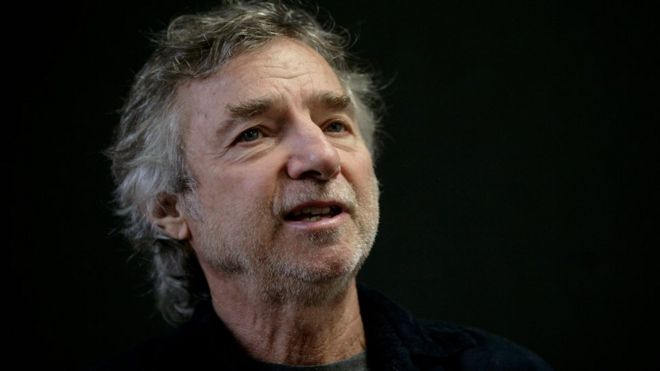
☑ The Birth of a Nation (D.W. Griffith, 1915)
☐ Les Vampires (Louis Feuillade, 1915)
☑ Intolerance (D.W. Griffith, 1916)
☑ The Cabinet of Dr. Caligari (Robert Wiene, 1919)
☐ Broken Blossoms (D.W. Griffith, 1919)
☐ Way Down East (D.W. Griffith, 1920)
☐ Within Our Gates (Oscar Micheaux, 1920)
☐ The Phantom Carriage (Victor Sjöström, 1921)
☐ Orphans of the Storm (D.W. Griffith, 1921)
☐ The Smiling Madame Beudet (Germaine Dulac, 1922)
☐ Dr. Mabuse, Parts 1 and 2 (Fritz Lang, 1922)
☑ Nanook of the North (Robert J. Flaherty, 1922)
☑ Nosferatu, A Symphony of Terror (F.W. Murnau, 1922)
☐ Häxan: Witchcraft Through the Ages (Benjamin Christensen, 1923)
☐ Foolish Wives (Erich von Stroheim, 1922)
☐ Our Hospitality (John G. Blystone, 1923)
☐ La Roue [The Wheel] (Abel Gance, 1923)
☐ The Thief of Bagdad (Raoul Walsh, 1924)
☑ Strike (Sergei M. Eisenstein, 1924)
☐ Greed (Erich von Stroheim, 1924)
☑ Sherlock, Jr. (Buster Keaton, 1924)
☐ The Last Laugh (F.W. Murnau, 1924)
☐ Seven Chances (Buster Keaton, 1925)
☐ The Phantom of the Opera (Rupert Julian, 1925)
☑ The Battleship Potemkin (Sergei M. Eisenstein, 1925)
☑ The Gold Rush (Charlie Chaplin, 1925)
☐ The Big Parade (King Vidor, 1925)
☑ Metropolis (Fritz Lang, 1927)
☐ Sunrise (F.W. Murnau, 1927)
☐ The General (Clyde Bruckman and Buster Keaton, 1927)
☐ The Unknown (Tod Browning, 1927)
☐ October (Grigori Aleksandrov and Sergei M. Eisenstein, 1927)
☑ The Jazz Singer (Alan Crosland, 1927)
☐ Napoleon (Abel Gance, 1927)
☐ The Kid Brother (Ted Wilde, 1927)
☐ The Crowd (King Vidor, 1928)
☐ The Docks of New York (Josef von Sternberg, 1928)
☑ Un Chien Andalou (Luis Buñuel, 1928)
☑ The Passion of Joan of Arc (Carl Theodor Dreyer, 1928)
☐ Steamboat Bill, Jr. (Charles Reisner, 1928)
☐ Potomok Chingis-Khana [Storm Over Asia] (Vsevolod Pudovkin, 1928)
☐ Blackmail (Alfred Hitchcock, 1929)
☑ The Man with the Movie Camera (Dziga Vertov, 1929)
☐ Pandora's Box (Georg Wilhelm Pabst, 1929)
☐ The Blue Angel (Josef von Sternberg, 1930)
☐ L'Age D'Or (Luis Buñuel, 1930)
☐ Earth (Aleksandr Dovzhenko, 1930)
☐ Little Caesar (Mervyn LeRoy, 1930)
☑ All Quiet on the Western Front (Lewis Milestone, 1930)
☐ À Nous la Liberté [Freedom For Us] (René Clair, 1931)
☐ Le Million (René Clair, 1931)
☐ Tabu (F.W. Murnau, 1931)
☐ Dracula (Tod Browning, 1931)
☑ Frankenstein (James Whale, 1931)
☑ City Lights (Charlie Chaplin, 1931)
☐ The Public Enemy (William A. Wellman, 1931)
☐ M (Fritz Lang, 1931)
☐ La Chienne [The Bitch] (Jean Renoir, 1931)
☐ Vampyr (Carl Theodor Dreyer, 1932)
☐ Love Me Tonight (Rouben Mamoulian, 1932)
☐ Boudu Saved From Drowning (Jean Renoir, 1932)
☐ I Am a Fugitive from a Chain Gang (Mervyn LeRoy, 1932)
☐ Trouble in Paradise (Ernst Lubitsch, 1932)
☐ Scarface: The Shame of a Nation (Howard Hawks and Richard Rosson, 1932)
☐ Shanghai Express (Josef von Sternberg, 1932)
☑ Freaks (Tod Browning, 1932)
☐ Me and My Gal (Raoul Walsh, 1932)
☐ Zero de Conduite (Jean Vigo, 1933)
☐ 42nd Street (Lloyd Bacon, 1933)
☐ Footlight Parade (Lloyd Bacon, 1933)
☐ Gold Diggers of 1933 (Mervyn LeRoy, 1933)
☑ She Done Him Wrong (Lowell Sherman, 1933)
☑ Duck Soup (Leo McCarey, 1933)
☑ Queen Christina (Rouben Mamoulian, 1933)
☐ Land Without Bread (Luis Buñuel, 1933)
☑ King Kong (Merian C. Cooper and Ernest B. Schoedsack, 1933)
☐ The Bitter Tea of General Yen (Frank Capra, 1933)
☐ Sons of the Desert (William A. Seiter, 1933)
☐ It's a Gift (Norman Z. McLeod, 1934)
☑ Triumph of the Will (Leni Riefenstahl, 1934)
☐ L'Atalante (Jean Vigo, 1934)
☐ The Black Cat (Edgar G. Ulmer, 1934)
☐ Judge Priest (John Ford, 1934)
☑ It Happened One Night (Frank Capra, 1934)
☐ The Thin Man (W.S. Van Dyke, 1934)
☐ Captain Blood (Michael Curtiz, 1935)
☐ Mutiny on the Bounty (Frank Lloyd, 1935)
☑ A Night at the Opera (Sam Wood, 1935)
☑ The 39 Steps (Alfred Hitchcock, 1935)
☑ Bride of Frankenstein (James Whale, 1935)
☑ Top Hat (Mark Sandrich, 1935)
☐ A Day in the Country (Jean Renoir, 1936)
☑ Modern Times (Charlie Chaplin, 1936)
☑ Swing Time (George Stevens, 1936)
☑ My Man Godfrey (Gregory La Cava, 1936)
☐ Mr. Deeds Goes to Town (Frank Capra, 1936)
☐ Camille (George Cukor, 1936)
☑ Sabotage (Alfred Hitchcock, 1936)
☐ Dodsworth (William Wyler, 1936)
☐ Things to Come (William Cameron Menzies, 1936)
☐ The Story of a Cheat (Sacha Guitry, 1936)
☐ Captains Courageous (Victor Fleming, 1937)
☐ Song at Midnight (Weibang Ma-Xu, 1937)
☐ Grand Illusion (Jean Renoir, 1937)
☑ Stella Dallas (King Vidor, 1937)
☑ The Life of Emile Zola (William Dieterle, 1937)
☑ Make Way for Tomorrow (Leo McCarey, 1937)
☑ Snow White and the Seven Dwarfs (William Cottrell and David Hand, 1937)
☑ The Awful Truth (Leo McCarey, 1937)
☐ Pepe le Moko (Julien Duvivier, 1937)
☑ Jezebel (William Wyler, 1938)
☐ The Adventures of Robin Hood (Michael Curtiz and William Keighley, 1938)
☐ Angels with Dirty Faces (Michael Curtiz, 1938)
☑ Olympia (Leni Riefenstahl, 1938)
☐ The Baker's Wife (Marcel Pagnol, 1938)
☑ Bringing Up Baby (Howard Hawks, 1938)
☐ Stagecoach (John Ford, 1939)
☐ The Story of the Late Chrysanthemums (Kenji Mizoguchi, 1939)
☑ Babes in Arms (Busby Berkeley, 1939)
☑ Mr. Smith Goes to Washington (Frank Capra, 1939)
☑ The Wizard of Oz (Victor Fleming, 1939)
☐ Destry Rides Again (George Marshall, 1939)
☐ Only Angels Have Wings (Howard Hawks, 1939)
☑ Gone With the Wind (Victor Fleming, 1939)
☐ Le Jour Se Lève [Daybreak] (Marcel Carné, 1939)
☐ Gunga Din (George Stevens, 1939)
☑ Ninotchka (Ernst Lubitsch, 1939)
☑ La Règle du Jeu [The Rules of the Game] (Jean Renoir, 1939)
☑ Wuthering Heights (William Wyler, 1939)
☑ His Girl Friday (Howard Hawks, 1940)
☑ Rebecca (Alfred Hitchcock, 1940)
☑ Fantasia (James Algar and Samuel Armstrong, 1940)
☑ The Philadelphia Story (George Cukor, 1940)
☐ The Grapes of Wrath (John Ford, 1940)
☐ Dance, Girl, Dance (Dorothy Arzner, 1940)
☑ Pinocchio (Norman Ferguson and T. Hee, 1940)
☐ The Mortal Storm (Frank Borzage, 1940)
☐ The Bank Dick (Edward F. Cline, 1940)
☑ Citizen Kane (Orson Welles, 1941)
☑ The Lady Eve (Preston Sturges, 1941)
☐ The Wolf Man (George Waggner, 1941)
☑ The Maltese Falcon (John Huston, 1941)
☐ Sergeant York (Howard Hawks, 1941)
☑ Dumbo (Samuel Armstrong and Norman Ferguson, 1941)
☐ High Sierra (Raoul Walsh, 1941)
☑ Sullivan's Travels (Preston Sturges, 1941)
☑ How Green Was My Valley (John Ford, 1941)
☑ The Palm Beach Story (Preston Sturges, 1942)
☑ Now, Voyager (Irving Rapper, 1942)
☑ Casablanca (Michael Curtiz, 1942)
☑ To Be or Not to Be (Ernst Lubitsch, 1942)
☑ Cat People (Jacques Tourneur, 1942)
☑ The Magnificent Ambersons (Orson Welles, 1942)
☐ Yankee Doodle Dandy (Michael Curtiz, 1942)
☑ Meshes of the Afternoon (Maya Deren and Alexander Hammid, 1943)
☐ Fires Were Started (Humphrey Jennings, 1943)
☐ The Man in Grey (Leslie Arliss, 1943)
☐ The Life and Death of Colonel Blimp (Michael Powell and Emeric Pressburger, 1943)
☑ I Walked With a Zombie (Jacques Tourneur, 1943)
☐ The Seventh Victim (Mark Robson, 1943)
☐ The Ox-Bow Incident (William A. Wellman, 1943)
☑ Shadow of a Doubt (Alfred Hitchcock, 1943)
☐ Ossessione (Luchino Visconti, 1943)
☑ Meet Me in St. Louis (Vincente Minnelli, 1944)
☐ To Have and Have Not (Howard Hawks, 1944)
☐ Laura (Otto Preminger, 1944)
☑ Gaslight (George Cukor, 1944)
☐ Henry V (Laurence Olivier, 1944)
☐ Ivan the Terrible, Parts One and Two (Sergei M. Eisenstein, 1944)
☑ Double Indemnity (Billy Wilder, 1944)
☐ Murder, My Sweet (Edward Dmytryk, 1944)
☐ The Battle of San Pietro (John Huston and Mark W. Clark, 1945)
☑ Spellbound (Alfred Hitchcock, 1945)
☑ Mildred Pierce (Michael Curtiz, 1945)
☐ Les Enfants du Paradis [The Children of Paradise] (Marcel Carné, 1945)
☐ Rome, Open City (Roberto Rossellini, 1945)
☑ The Lost Weekend (Billy Wilder, 1945)
☐ Detour (Edgar G. Ulmer, 1945)
☐ I Know Where I'm Going! (Michael Powell and Emeric Pressburger, 1945)
☑ The Best Years of Our Lives (William Wyler, 1946)
☑ Brief Encounter (David Lean, 1946)
☐ Paisan (Roberto Rossellini, 1946)
☐ The Postman Always Rings Twice (Tay Garnett, 1946)
☐ My Darling Clementine (John Ford, 1946)
☐ The Stranger (Orson Welles, 1946)
☐ Beauty and the Beast (Jean Cocteau, 1946)
☑ The Big Sleep (Howard Hawks, 1946)
☐ The Killers (Robert Siodmak, 1946)
☐ A Matter of Life and Death (Michael Powell and Emeric Pressburger, 1946)
☐ Great Expectations (David Lean, 1946)
☑ Notorious (Alfred Hitchcock, 1946)
☑ Black Narcissus (Michael Powell and Emeric Pressburger, 1946)
☑ It's a Wonderful Life (Frank Capra, 1946)
☑ Gilda (Charles Vidor, 1946)
☑ Monsieur Verdoux (Charles Chaplin, 1947)
☐ Out of the Past (Jacques Tourneur, 1947)
☑ The Ghost and Mrs. Muir (Joseph L. Mankiewicz, 1947)
☐ Odd Man Out (Carol Reed, 1947)
☑ The Bicycle Thief (Vittorio De Sica, 1948)
☐ Letter From an Unknown Woman (Max Ophüls, 1948)
☐ Secret Beyond the Door (Fritz Lang, 1948)
☐ Force of Evil (Abraham Polonsky, 1948)
☐ Spring in a Small Town (Fei Mu, 1948)
☑ Red River (Howard Hawks, 1948)
☑ Rope (Alfred Hitchcock, 1948)
☐ The Snake Pit (Anatole Litvak, 1948)
☐ The Lady from Shanghai (Orson Welles, 1948)
☐ The Paleface (Norman Z. McLeod, 1948)
☑ The Red Shoes (Michael Powell and Emeric Pressburger, 1948)
☐ The Treasure of the Sierra Madre (John Huston, 1948)
☐ Louisiana Story (Robert J. Flaherty, 1948)
☑ The Heiress (William Wyler, 1949)
☑ Kind Hearts and Coronets (Robert Hamer, 1949)
☐ Gun Crazy (Joseph H. Lewis, 1949)
☑ Adam's Rib (George Cukor, 1949)
☐ Whiskey Galore! (Alexander Mackendrick, 1949)
☐ White Heat (Raoul Walsh, 1949)
☐ The Reckless Moment (Max Ophüls, 1949)
☑ The Third Man (Carol Reed, 1949)
☑ On the Town (Stanley Donen and Gene Kelly, 1949)
☐ Orpheus (Jean Cocteau, 1949)
☐ The Asphalt Jungle (John Huston, 1950)
☑ Rashomon (Akira Kurosawa, 1950)
☐ Winchester '73 (Anthony Mann, 1950)
☐ Rio Grande (John Ford, 1950)
☑ All About Eve (Joseph L. Mankiewicz, 1950)
☑ Sunset Blvd. (Billy Wilder, 1950)
☐ Los Olvidados (Luis Buñuel, 1950)
☑ In a Lonely Place (Nicholas Ray, 1950)
☐ The Big Carnival [Ace in the Hole] (Billy Wilder, 1951)
☑ A Streetcar Named Desire (Elia Kazan, 1951)
☑ Strangers on a Train (Alfred Hitchcock, 1951)
☐ The Lavender Hill Mob (Charles Crichton, 1951)
☐ Pandora and the Flying Dutchman (Albert Lewin, 1951)
☑ The African Queen (John Huston, 1951)
☑ Diary of a Country Priest (Robert Bresson, 1951)
☑ An American in Paris (Vincente Minnelli, 1951)
☑ A Place in the Sun (George Stevens, 1951)
☐ The Day the Earth Stood Still (Robert Wise, 1951)
☐ The Quiet Man (John Ford, 1952)
☐ Jeux Interdits [Forbidden Games] (René Clément, 1952)
☐ Angel Face (Otto Preminger, 1952)
☑ Singin' in the Rain (Stanley Donen and Gene Kelly, 1952)
☑ Ikiru [To Live] (Akira Kurosawa, 1952)
☐ Europa '51 [The Greatest Love] (Roberto Rossellini, 1952)
☑ The Bad and the Beautiful (Vincente Minnelli, 1952)
☐ The Big Sky (Howard Hawks, 1952)
☑ High Noon (Fred Zinnemann, 1952)
☐ Umberto D (Vittorio De Sica, 1952)
☐ Le Carrosse D'Or [The Golden Coach] (Jean Renoir, 1952)
☐ The Bigamist (Ida Lupino, 1953)
☐ The Band Wagon (Vincente Minnelli, 1953)
☑ The Earrings of Madame De… (Max Ophüls, 1953)
☑ From Here to Eternity (Fred Zinnemann, 1953)
☑ Tokyo Story (Yasujirô Ozu, 1953)
☑ Roman Holiday (William Wyler, 1953)
☑ Le Salaire de la Peur [The Wages of Fear] (Henri-Georges Clouzot, 1953)
☐ The Naked Spur (Anthony Mann, 1953)
☐ Pickup on South Street (Samuel Fuller, 1953)
☑ Gentlemen Prefer Blondes (Howard Hawks, 1953)
☑ The Big Heat (Fritz Lang, 1953)
☑ Monsieur Hulot's Holiday (Jacques Tati, 1953)
☑ Voyage in Italy (Roberto Rossellini, 1953)
☐ Tales of Ugetsu (Kenji Mizoguchi, 1953)
☑ Shane (George Stevens, 1953)
☐ Beat the Devil (John Huston, 1953)
☑ Johnny Guitar (Nicholas Ray, 1954)
☑ On the Waterfront (Elia Kazan, 1954)
☐ Seven Brides for Seven Brothers (Stanley Donen, 1954)
☑ Les Diaboliques (Henri-Georges Clouzot, 1954)
☐ Animal Farm (Joy Batchelor and John Halas, 1954)
☑ Rear Window (Alfred Hitchcock, 1954)
☑ A Star Is Born (George Cukor, 1954)
☑ The Barefoot Contessa (Joseph L. Mankiewicz, 1954)
☐ La Strada (Federico Fellini, 1954)
☑ The Seven Samurai (Akira Kurosawa, 1954)
☐ Senso [The Wanton Countess] (Luchino Visconti, 1954)
☐ Silver Lode (Allan Dwan, 1954)
☑ Carmen Jones (Otto Preminger, 1954)
☐ Sansho the Bailiff (Kenji Mizoguchi, 1954)
☐ Salt of the Earth (Herbert J. Biberman, 1954)
☐ Artists and Models (Frank Tashlin, 1955)
☐ Guys and Dolls (Joseph L. Mankiewicz, 1955)
☑ Pather Panchali (Satyajit Ray, 1955)
☐ Bad Day at Black Rock (John Sturges, 1955)
☐ Les Maîtres Fous [The Mad Masters] (Jean Rouch, 1955)
☐ Giv'a 24 Eina Ona [Hill 24 Doesn’t Answer] (Thorold Dickinson, 1955)
☐ The Ladykillers (Alexander Mackendrick, 1955)
☐ Marty (Delbert Mann, 1955)
☐ Ordet (Carl Theodor Dreyer, 1955)
☐ Bob Le Flambeur [Bob the Gambler] (Jean-Pierre Melville, 1955)
☐ Kiss Me Deadly (Robert Aldrich, 1955)
☐ The Man from Laramie (Anthony Mann, 1955)
☑ Rebel Without a Cause (Nicholas Ray, 1955)
☐ The Phenix City Story (Phil Karlson, 1955)
☐ Smiles of a Summer Night (Ingmar Bergman, 1955)
☑ Night and Fog (Alain Resnais, 1955)
☑ The Night of the Hunter (Charles Laughton, 1955)
☐ The Sins of Lola Montes (Max Ophüls, 1955)
☐ Forbidden Planet (Fred M. Wilcox, 1956)
☐ The Burmese Harp (Kon Ichikawa, 1956)
☑ The Searchers (John Ford, 1956)
☐ A Man Escaped (Robert Bresson, 1956)
☑ Written on the Wind (Douglas Sirk, 1956)
☑ The Man Who Knew Too Much (Alfred Hitchcock, 1956)
☑ Giant (George Stevens, 1956)
☑ All That Heaven Allows (Douglas Sirk, 1956)
☑ Invasion of the Body Snatchers (Don Siegel, 1956)
☑ The Wrong Man (Alfred Hitchcock, 1956)
☐ Bigger Than Life (Nicholas Ray, 1956)
☑ High Society (Charles Walters, 1956)
☑ The Ten Commandments (Cecil B. DeMille, 1956)
☑ 12 Angry Men (Sidney Lumet, 1957)
☐ The Seventh Seal (Ingmar Bergman, 1957)
☑ An Affair to Remember (Leo McCarey, 1957)
☐ Wild Strawberries (Ingmar Bergman, 1957)
☑ Nights of Cabiria (Federico Fellini, 1957)
☑ Throne of Blood (Akira Kurosawa, 1957)
☐ The Incredible Shrinking Man (Jack Arnold, 1957)
☐ Aparajito [The Unvanquished] (Satyajit Ray, 1957)
☐ Gunfight at the O.K. Corral (John Sturges, 1957)
☑ The Bridge on the River Kwai (David Lean, 1957)
☐ Mother India (Mehboob Khan, 1957)
☐ The Cranes Are Flying (Mikhail Kalatozov, 1957)
☑ Paths of Glory (Stanley Kubrick, 1957)
☑ Sweet Smell of Success (Alexander Mackendrick, 1957)
☐ Man of the West (Anthony Mann, 1958)
☑ Touch of Evil (Orson Welles, 1958)
☐ Bab el Hadid [The Iron Gate/Cairo Station] (Youssef Chahine, 1958)
☑ Gigi (Vincente Minnelli, 1958)
☐ The Defiant Ones (Stanley Kramer, 1958)
☑ Vertigo (Alfred Hitchcock, 1958)
☐ Ashes and Diamonds (Andrzej Wajda, 1958)
☐ Horror of Dracula (Terence Fisher, 1958)
☑ Mon Oncle (Jacques Tati, 1958)
☐ The Music Room (Satyajit Ray, 1958)
☑ The 400 Blows (François Truffaut, 1959)
☑ North by Northwest (Alfred Hitchcock, 1959)
☑ Some Like It Hot (Billy Wilder, 1959)
☐ Anatomy of a Murder (Otto Preminger, 1959)
☐ Eyes Without a Face (Georges Franju, 1959)
☐ Ride Lonesome (Budd Boetticher, 1959)
☐ Black Orpheus (Marcel Camus, 1959)
☐ Shadows (John Cassavetes, 1959)
☑ The World of Apu (Satyajit Ray, 1959)
☑ Breathless (Jean-Luc Godard, 1959)
☑ Ben-Hur (William Wyler, 1959)
☐ Pickpocket (Robert Bresson, 1959)
☑ Hiroshima Mon Amour (Alain Resnais, 1959)
☐ Rio Bravo (Howard Hawks, 1959)
☐ The Hole (Frank Capra, 1959)
☑ Floating Weeds (Yasujirô Ozu, 1959)
☐ Rocco and His Brothers (Luchino Visconti, 1960)
☑ La Dolce Vita (Federico Fellini, 1960)
☑ Saturday Night and Sunday Morning (Karel Reisz, 1960)
☐ Shoot the Piano Player (François Truffaut, 1960)
☑ L'Avventura (Michelangelo Antonioni, 1960)
☐ The Young One (Luis Buñuel, 1960)
☐ Meghe Dhaka Tara [The Cloud-Capped Star] (Ritwik Ghatak, 1960)
☐ Hanyeo [The Housemaid] (Ki-young Kim, 1960)
☑ Psycho (Alfred Hitchcock, 1960)
☐ Revenge of the Vampire/Black Sunday (Mario Bava, 1960)
☑ Peeping Tom (Michael Powell, 1960)
☑ The Apartment (Billy Wilder, 1960)
☑ Spartacus (Stanley Kubrick, 1960)
☐ Splendor in the Grass (Elia Kazan, 1961)
☑ Last Year at Marienbad (Alain Resnais, 1961)
☑ La Jetee [The Pier] (Chris Marker, 1961)
☐ One-Eyed Jacks (Marlon Brando, 1961)
☐ Lola (Jacques Demy, 1961)
☑ Breakfast at Tiffany's (Blake Edwards, 1961)
☐ La Notte [The Night] (Michelangelo Antonioni, 1961)
☑ Jules et Jim (François Truffaut, 1961)
☐ Viridiana (Luis Buñuel, 1961)
☑ The Ladies Man (Jerry Lewis, 1961)
☐ Through a Glass Darkly (Ingmar Bergman, 1961)
☐ Chronique d'un Eté [Chronicle of a Summer] (Edgar Morin and Jean Rouch, 1961)
☐ The Hustler (Robert Rossen, 1961)
☑ West Side Story (Jerome Robbins and Robert Wise, 1961)
☑ Mondo Cane [A Dog's Life] (Paolo Cavara and Gualtiero Jacopetti, 1962)
☐ Cleo from 5 to 7 (Agnès Varda, 1962)
☐ Dog Star Man (Stan Brakhage, 1962)
☑ El Ángel Exterminador [The Exterminating Angel] (Luis Buñuel, 1962)
☐ An Autumn Afternoon (Yasujirô Ozu, 1962)
☐ L'eclisse [The Eclipse] (Michelangelo Antonioni, 1962)
☑ Lawrence of Arabia (David Lean, 1962)
☑ To Kill a Mockingbird (Robert Mulligan, 1962)
☑ The Manchurian Candidate (John Frankenheimer, 1962)
☑ Lolita (Stanley Kubrick, 1962)
☐ O Pagador de Promessas [Keeper of Promises] (Anselmo Duarte, 1962)
☐ The Man Who Shot Liberty Valance (John Ford, 1962)
☑ What Ever Happened to Baby Jane? (Robert Aldrich, 1962)
☐ Vivre sa Vie [My Life to Live] (Jean-Luc Godard, 1962)
☐ Heaven and Earth Magic (Harry Smith, 1962)
☑ The Birds (Alfred Hitchcock, 1963)
☑ The Nutty Professor (Jerry Lewis, 1963)
☐ Blonde Cobra (Ken Jacobs, 1963)
☐ The Cool World (Shirley Clarke, 1963)
☑ 8½ (Federico Fellini, 1963)
☐ Passenger (Andrzej Munk and Witold Lesiewicz, 1963)
☐ Contempt (Jean-Luc Godard, 1963)
☐ Hud (Martin Ritt, 1963)
☐ Winter Light (Ingmar Bergman, 1963)
☐ Flaming Creatures (Jack Smith, 1963)
☑ The Great Escape (John Sturges, 1963)
☐ Shock Corridor (Samuel Fuller, 1963)
☑ Il Gattopardo [The Leopard] (Luchino Visconti, 1963)
☐ Vidas Secas [Barren Lives] (Nelson Pereira dos Santos, 1963)
☐ Méditerranée (Jean-Daniel Pollet and Volker Schlöndorff, 1963)
☐ Khaneh Siah Ast [The House is Black] (Forugh Farrokhzad, 1963)
☑ The Haunting (Robert Wise, 1963)
☐ An Actor's Revenge/Revenge of a Kabuki Actor (Kon Ichikawa, 1963)
☐ The Servant (Joseph Losey, 1963)
☑ Goldfinger (Guy Hamilton, 1964)
☑ Scorpio Rising (Kenneth Anger, 1964)
☑ Les Parapluies de Cherbourg [The Umbrellas of Cherbourg] (Jacques Demy, 1964)
☑ Marnie (Alfred Hitchcock, 1964)
☑ My Fair Lady (George Cukor, 1964)
☑ Woman in the Dunes (Hiroshi Teshigahara, 1964)
☑ Dr. Strangelove or: How I Learned to Stop Worrying and Love the Bomb (Stanley Kubrick, 1964)
☑ A Hard Day's Night (Richard Lester, 1964)
☐ Red Desert (Michelangelo Antonioni, 1964)
☐ Shadows of Forgotten Ancestors (Sergei Parajanov, 1964)
☐ The Masque of the Red Death (Roger Corman, 1964)
☐ Before the Revolution (Bernardo Bertolucci, 1964)
☐ Gertrud (Carl Theodor Dreyer, 1964)
☑ The Gospel According to St. Matthew (Pier Paolo Pasolini, 1964)
☐ Deus e O Diabo Na Terra Do Sol [Black God, White Devil] (Glauber Rocha, 1964)
☐ Onibaba [The Demon] (Kaneto Shindô, 1964)
☐ Vinyl (Andy Warhol, 1965)
☐ Obch o Na Korze [The Shop on Main Street] (Ján Kadár and Elmar Klos, 1965)
☑ Doctor Zhivago (David Lean, 1965)
☐ The War Game (Peter Watkins, 1965)
☐ Tokyo Olympiad (Kon Ichikawa, 1965)
☑ The Battle of Algiers (Gillo Pontecorvo, 1965)
☑ The Sound of Music (Robert Wise, 1965)
☐ Rękopis Znaleziony w Saragossie [The Saragossa Manuscript] (Wojciech Has, 1965)
☐ Alphaville (Jean-Luc Godard, 1965)
☐ Chimes at Midnight (Orson Welles, 1965)
☑ Repulsion (Roman Polanski, 1965)
☑ Giulietta Degli Spiriti [Juliet of the Spirits] (Federico Fellini, 1965)
☐ Pierrot le Fou [Pierrot Goes Wild] (Jean-Luc Godard, 1965)
☐ Faster, Pussy Cat! Kill! Kill! (Russ Meyer, 1965)
☐ Subarnarekha [The Golden River/The Golden Thread] (Ritwik Ghatak, 1965)
☐ De Man Die Zijn Haar Kort Liet Knippen [The Man Who Had His Hair Cut Short] (André Delvaux, 1965)
☐ Hold Me While I'm Naked (George Kuchar, 1966)
☑ Blowup (Michelangelo Antonioni, 1966)
☑ The Good, the Bad, and the Ugly (Sergio Leone, 1966)
☐ Sedmikrásky [Daisies] (Vera Chytilová, 1966)
☐ 大醉俠 [Come Drink With Me] (King Hu, 1966)
☐ Seconds (John Frankenheimer, 1966)
☑ Who's Afraid of Virginia Woolf? (Mike Nichols, 1966)
☑ Persona (Ingmar Bergman, 1966)
☐ Masculin Féminin (Jean-Luc Godard, 1966)
☐ Au Hasard Balthazar (Robert Bresson, 1966)
☑ In the Heat of the Night (Norman Jewison, 1967)
☐ Two or Three Things I Know About Her (Jean-Luc Godard, 1967)
☑ The Graduate (Mike Nichols, 1967)
☑ Playtime (Jacques Tati, 1967)
☐ Report (Bruce Conner, 1967)
☐ Hombre (Martin Ritt, 1967)
☑ Belle de Jour (Luis Buñuel, 1967)
☐ Les Demoiselles de Rochefort [The Young Girls of Rochefort] (Jacques Demy and Agnès Varda, 1967)
☐ Week End (Jean-Luc Godard, 1967)
☑ Le Samouraï (Jean-Pierre Melville, 1967)
☐ Cool Hand Luke (Stuart Rosenberg, 1967)
☐ Point Blank (John Boorman, 1967)
☑ Wavelength (Michael Snow, 1967)
☑ Bonnie and Clyde (Arthur Penn, 1967)
☐ Csillagosok, Katonák [The Red and the White] (Miklós Jancsó, 1967)
☐ Marketa Lazarova (Frantisek Vlácil, 1967)
☑ The Jungle Book (Wolfgang Reitherman, 1967)
☐ The Fireman's Ball (Milos Forman, 1967)
☐ Terra em Transe [Earth Entranced] (Glauber Rocha, 1967)
☐ Ostře Sledované Vlaky [Closely Watched Trains] (Jiri Menzel, 1967)
☐ Vij [Spirit of Evil] (Konstantin Yershov and Georgi Kropachyov, 1967)
☐ The Cow/Poor Cow (Ken Loach, 1968)
☐ Once Upon a Time in the West (Sergio Leone, 1968)
☑ Planet of the Apes (Franklin J. Schaffner, 1968)
☐ Faces (John Cassavetes, 1968)
☑ Rosemary's Baby (Roman Polanski, 1968)
☐ If… (Lindsay Anderson, 1968)
☐ Memorias del Subdesarrollo [Memories of Underdevelopment] (Tomás Gutiérrez Alea, 1968)
☑ The Producers (Mel Brooks, 1968)
☐ David Holzman's Diary (Jim McBride, 1968)
☐ Shame (Ingmar Bergman, 1968)
☑ 2001: A Space Odyssey (Stanley Kubrick, 1968)
☐ Hour of the Wolf (Ingmar Bergman, 1968)
☐ Targets (Peter Bogdanovich, 1968)
☑ Night of the Living Dead (George A. Romero, 1968)
☑ My Night at Maud's (Eric Rohmer, 1969)
☐ Lucia (Humberto Solás, 1969)
☐ A Touch of Zen (King Hu, 1969)
☑ Butch Cassidy and the Sundance Kid (George Roy Hill, 1969)
☑ Midnight Cowboy (John Schlesinger, 1969)
☐ Satyricon (Federico Fellini, 1969)
☐ Z (Costa-Gavras, 1969)
☐ The Conformist (Bernardo Bertolucci, 1969)
☑ Easy Rider (Dennis Hopper, 1969)
☐ High School (Frederick Wiseman, 1969)
☐ In the Year of the Pig (Emile de Antonio, 1969)
☑ The Wild Bunch (Sam Peckinpah, 1969)
☐ Andrei Rublev (Andrey Tarkovsky, 1969)
☐ Le Boucher [The Butcher] (Claude Chabrol, 1969)
☑ The Color of Pomegranates (Sergei Parajanov, 1969)
☐ Kes (Ken Loach, 1969)
☐ Tristana (Luis Buñuel, 1970)
☑ Five Easy Pieces (Bob Rafelson, 1970)
☐ El Topo (Alejandro Jodorowsky, 1970)
☑ Woodstock (Michael Wadleigh, 1970)
☐ Deep End (Jerzy Skolimowski, 1970)
☐ Strategia del Ragno [The Spider's Stratagem] (Bernardo Bertolucci, 1970)
☐ Little Big Man (Arthur Penn, 1970)
☐ Ucho [The Ear] (Karel Kachyna, 1970)
☐ Patton (Franklin J. Schaffner, 1970)
☑ M*A*S*H (Robert Altman, 1970)
☐ Performance (Donald Cammell and Nicolas Roeg, 1970)
☐ Gimme Shelter (Albert Maysles and David Maysles, 1970)
☐ Zabriskie Point (Michelangelo Antonioni, 1970)
☐ The Bird With the Crystal Plumage (Dario Argento, 1970)
☐ The Garden of the Finzi-Continis (Vittorio De Sica, 1970)
☐ Wanda (Barbara Loden, 1971)
☐ W.R.: Mysteries of the Organism (Dusan Makavejev, 1971)
☑ A Clockwork Orange (Stanley Kubrick, 1971)
☑ The Sorrow and the Pity (Marcel Ophüls, 1971)
☑ Willy Wonka and the Chocolate Factory (Mel Stuart, 1971)
☑ McCabe and Mrs. Miller (Robert Altman, 1971)
☐ Walkabout (Nicolas Roeg, 1971)
☑ Klute (Alan J. Pakula, 1971)
☑ Harold and Maude (Hal Ashby, 1971)
☐ Még Kér a Nép [Red Psalm] (Miklos Jancso, 1971)
☐ Get Carter (Mike Hodges, 1971)
☑ The French Connection (William Friedkin, 1971)
☐ Shaft (Gordon Parks, 1971)
☑ Dirty Harry (Don Siegel, 1971)
☑ Le Souffle au Cœur [Murmur of the Heart] (Louis Malle, 1971)
☐ Sweet Sweetback's Baadasssss Song (Melvin Van Peebles, 1971)
☑ The Last Picture Show (Peter Bogdanovich, 1971)
☐ Straw Dogs (Sam Peckinpah, 1971)
☐ Two-Lane Blacktop (Monte Hellman, 1971)
☑ The Heartbreak Kid (Elaine May, 1972)
☑ Aguirre, the Wrath of God (Werner Herzog, 1972)
☑ Cabaret (Bob Fosse, 1972)
☑ Last Tango in Paris (Bernardo Bertolucci, 1972)
☐ High Plains Drifter (Clint Eastwood, 1972)
☑ Sleuth (Joseph L. Mankiewicz, 1972)
☑ Deliverance (John Boorman, 1972)
☑ Solaris (Andrei Tarkovsky, 1972)
☑ The Godfather (Francis Ford Coppola, 1972)
☑ Cries and Whispers (Ingmar Bergman, 1972)
☐ Fat City (John Huston, 1972)
☑ Le Charme Discret de la Bourgeoisie [The Discreet Charm of the Bourgeoisie] (Luis Buñuel, 1972)
☐ Die Bitteren Tränen der Petra von Kant [The Bitter Tears of Petra Von Kant] (Rainer Werner Fassbinder, 1972)
☐ Frenzy (Alfred Hitchcock, 1972)
☑ Pink Flamingos (John Waters, 1972)
☐ Superfly (Gordon Parks Jr., 1972)
☑ The Sting (George Roy Hill, 1973)
☐ La Maman et la Putain [The Mother and the Whore] (Jean Eustache, 1973)
☐ Badlands (Terrence Malick, 1973)
☑ American Graffiti (George Lucas, 1973)
☐ Papillon (Franklin J. Schaffner, 1973)
☑ Enter the Dragon (Robert Clouse, 1973)
☑ Mean Streets (Martin Scorsese, 1973)
☐ The Long Goodbye (Robert Altman, 1973)
☑ The Wicker Man (Robin Hardy, 1973)
☑ La Nuit Américaine [Day for Night] (François Truffaut, 1973)
☑ Don't Look Now (Nicolas Roeg, 1973)
☑ Sleeper (Woody Allen, 1973)
☐ Serpico (Sidney Lumet, 1973)
☑ The Exorcist (William Friedkin, 1973)
☐ Turks Fruit [Turkish Delight] (Paul Verhoeven, 1973)
☐ El Espíritu de la Colmena [The Spirit of the Beehive] (Víctor Erice, 1973)
☑ La Planète Sauvage [Fantastic Planet] (René Laloux, 1973)
☑ Amarcord (Federico Fellini, 1973)
☐ The Harder They Come (Perry Henzell, 1973)
☐ Pat Garrett and Billy the Kid (Sam Peckinpah, 1973)
☐ Dersu Uzala (Akira Kurosawa, 1974)
☑ The Conversation (Francis Ford Coppola, 1974)
☑ The Texas Chainsaw Massacre (Tobe Hooper, 1974)
☑ Zerkalo [The Mirror] (Andrei Tarkovsky, 1974)
☑ A Woman Under the Influence (John Cassavetes, 1974)
☑ Young Frankenstein (Mel Brooks, 1974)
☑ Chinatown (Roman Polanski, 1974)
☐ Céline et Julie Vont en Bateau [Celine and Julie Go Boating] (Jacques Rivette, 1974)
☑ Blazing Saddles (Mel Brooks, 1974)
☑ The Godfather Part II (Francis Ford Coppola, 1974)
☐ Ali: Fear Eats the Soul (Rainer Werner Fassbinder, 1974)
☐ Bring Me the Head of Alfredo Garcia (Sam Peckinpah, 1974)
☑ Dog Day Afternoon (Sidney Lumet, 1975)
☑ One Flew over the Cuckoo's Nest (Milos Forman, 1975)
☑ Jeanne Dielman, 23 Quai Du Commerce, 1080 Bruxelles (Chantal Akerman, 1975)
☑ The Rocky Horror Picture Show (Jim Sharman, 1975)
☐ Deewaar [The Wall] (Yash Chopra, 1975)
☑ Monty Python and the Holy Grail (Terry Gilliam and Terry Jones, 1975)
☑ Barry Lyndon (Stanley Kubrick, 1975)
☐ Faustrecht der Freiheit [Fox and His Friends] (Rainer Werner Fassbinder, 1975)
☐ India Song (Marguerite Duras, 1975)
☑ Picnic at Hanging Rock (Peter Weir, 1975)
☑ Manila sa Mga Kuko ng Liwanag [Manila in the Claws of Brightness] (Lino Brocka, 1975)
☑ Salo, or the 120 Days of Sodom (Pier Paolo Pasolini, 1975)
☑ Nashville (Robert Altman, 1975)
☐ Cria! (Carlos Saura, 1975)
☐ O Thiassos [The Travelling Players] (Theodoros Angelopoulos, 1975)
☑ Jaws (Steven Spielberg, 1975)
☐ The Killing of a Chinese Bookie (John Cassavetes, 1976)
☑ Carrie (Brian De Palma, 1976)
☐ The Outlaw Josey Wales (Clint Eastwood, 1976)
☑ All the President's Men (Alan J. Pakula, 1976)
☑ Rocky (John G. Avildsen, 1976)
☑ Taxi Driver (Martin Scorsese, 1976)
☑ Network (Sidney Lumet, 1976)
☐ Voskhozhdeniye [The Ascent] (Larisa Shepitko, 1976)
☑ In the Realm of the Senses (Nagisa Ôshima, 1976)
☐ 1900 (Bernardo Bertolucci, 1976)
☐ The Man Who Fell to Earth (Nicolas Roeg, 1976)
☑ Star Wars (George Lucas, 1977)
☑ Close Encounters of the Third Kind (Steven Spielberg, 1977)
☐ The Last Wave (Peter Weir, 1977)
☑ Annie Hall (Woody Allen, 1977)
☐ Last Chants for a Slow Dance (Jon Jost, 1977)
☐ Stroszek (Werner Herzog, 1977)
☐ Człowiek z Marmuru [Man of Marble] (Andrzej Wajda, 1977)
☑ Saturday Night Fever (John Badham, 1977)
☑ Killer of Sheep (Charles Burnett, 1977)
☐ Eraserhead (David Lynch, 1977)
☐ Ceddo (Ousmane Sembene, 1977)
☐ Der Amerikanische Freund [The American Friend] (Wim Wenders, 1977)
☐ The Hills Have Eyes (Wes Craven, 1977)
☐ Soldaat van Oranje [Soldier of Orange] (Paul Verhoeven, 1977)
☑ Suspiria (Dario Argento, 1977)
☐ The Chant of Jimmie Blacksmith (Fred Schepisi, 1978)
☐ 五毒 [Five Deadly Venoms] (Cheh Chang, 1978)
☐ L'Albero Degli Zoccoli [The Tree of Wooden Clogs] (Ermanno Olmi, 1978)
☑ The Deer Hunter (Michael Cimino, 1978)
☑ Grease (Randal Kleiser, 1978)
☑ Days of Heaven (Terrence Malick, 1978)
☑ Dawn of the Dead (George A. Romero, 1978)
☐ Shaolin Master Killer/The 36th Chamber of Shaolin (Chia-Liang Liu, 1978)
☐ Up in Smoke (Lou Adler, 1978)
☑ Halloween (John Carpenter, 1978)
☐ The Marriage of Maria Braun (Rainer Werner Fassbinder, 1979)
☐ Real Life (Albert Brooks, 1979)
☐ My Brilliant Career (Gillian Armstrong, 1979)
☐ Stalker (Andrei Tarkovsky, 1979)
☑ Alien (Ridley Scott, 1979)
☐ Breaking Away (Peter Yates, 1979)
☐ Die Blechtrommel [The Tin Drum] (Volker Schlöndorff, 1979)
☑ All That Jazz (Bob Fosse, 1979)
☑ Being There (Hal Ashby, 1979)
☑ Kramer vs. Kramer (Robert Benton, 1979)
☑ Life of Brian (Terry Jones, 1979)
☑ Apocalypse Now (Francis Ford Coppola, 1979)
☑ The Jerk (Carl Reiner, 1979)
☐ The Muppet Movie (James Frawley, 1979)
☑ Manhattan (Woody Allen, 1979)
☑ Mad Max (George Miller, 1979)
☑ Nosferatu: Phantom of the Night (Werner Herzog, 1979)
☑ Ordinary People (Robert Redford, 1980)
☑ Atlantic City (Louis Malle, 1980)
☐ The Last Metro (François Truffaut, 1980)
☑ The Shining (Stanley Kubrick, 1980)
☑ Star Wars: Episode V - The Empire Strikes Back (Irvin Kershner, 1980)
☑ The Elephant Man (David Lynch, 1980)
☐ The Big Red One (Samuel Fuller, 1980)
☐ Loulou (Maurice Pialat, 1980)
☑ Airplane! (Jim Abrahams and David Zucker, 1980)
☑ Raging Bull (Martin Scorsese, 1980)
☑ Raiders of the Lost Ark (Steven Spielberg, 1981)
☐ Das Boot [The Boat] (Wolfgang Petersen, 1981)
☐ Gallipoli (Peter Weir, 1981)
☑ Chariots of Fire (Hugh Hudson, 1981)
☑ Body Heat (Lawrence Kasdan, 1981)
☑ Reds (Warren Beatty, 1981)
☑ An American Werewolf in London (John Landis, 1981)
☐ Tre Fratelli [Three Brothers] (Francesco Rosi, 1981)
☐ Człowiek z Zelaza [Man of Iron] (Andrzej Wajda, 1981)
☐ Trop Tôt, Trop Tard [Too Early, Too Late] (Daniele Huillet and Jean Marie Straub, 1981)
☑ Fast Times at Ridgemont High (Cameron Crowe, 1981)
☑ E.T.: The Extra-Terestrial (Steven Spielberg, 1982)
☑ The Thing (John Carpenter, 1982)
☑ Poltergeist (Tobe Hooper, 1982)
☑ Blade Runner (Ridley Scott, 1982)
☑ The Evil Dead (Sam Raimi, 1982)
☑ Tootsie (Sydney Pollack, 1982)
☐ Yol [The Way] (Serif Gören, 1982)
☐ Diner (Barry Levinson, 1982)
☑ Fitzcaraldo (Werner Herzog, 1982)
☑ Gandhi (Richard Attenborough, 1982)
☐ La Notte di San Lorenzo [The Night of the Shooting Stars] (Paolo Taviani and Vittorio Taviani, 1982)
☐ De Stilte Rond Christine M. [A Question of Silence] (Marleen Gorris, 1982)
☑ Fanny and Alexander (Ingmar Bergman, 1982)
☑ A Christmas Story (Bob Clark, 1983)
☐ El Norte (Gregory Nava, 1983)
☑ Videodrome (David Cronenberg, 1983)
☑ Star Wars: Episode VI - Return of the Jedi (Richard Marquand, 1983)
☑ The Big Chill (Lawrence Kasdan, 1983)
☐ Sans Soleil [Sunless] (Chris Marker, 1983)
☐ Le Dernier Combat [The Last Battle] (Luc Besson, 1983)
☐ L'Argent [Money] (Robert Bresson, 1983)
☐ Utu (Geoff Murphy, 1983)
☑ Terms of Endearment (James L. Brooks, 1983)
☐ De Vierde Man [The Fourth Man] (Paul Verhoeven, 1983)
☑ The King of Comedy (Martin Scorsese, 1983)
☑ The Right Stuff (Philip Kaufman, 1983)
☑ Koyaanisqatsi (Godfrey Reggio, 1983)
☑ Once Upon a Time in America (Sergio Leone, 1983)
☑ Scarface (Brian De Palma, 1983)
☐ The Ballad of Narayama (Shôhei Imamura, 1983)
☑ Amadeus (Milos Forman, 1984)
☑ The Terminator (James Cameron, 1984)
☑ Paris, Texas (Wim Wenders, 1984)
☑ A Nightmare on Elm Street (Wes Craven, 1984)
☑ This Is Spinal Tap (Rob Reiner, 1984)
☑ Beverly Hills Cop (Martin Brest, 1984)
☑ Ghostbusters (Ivan Reitman, 1984)
☑ A Passage to India (David Lean, 1984)
☐ Stranger Than Paradise (Jim Jarmusch, 1984)
☑ The Killing Fields (Roland Joffé, 1984)
☑ The Natural (Barry Levinson, 1984)
☑ The Breakfast Club (John Hughes, 1985)
☑ Ran (Akira Kurosawa, 1985)
☐ Come and See (Elem Klimov, 1985)
☐ La Historia Oficial [The Official Story] (Luis Puenzo, 1985)
☑ Out of Africa (Sydney Pollack, 1985)
☑ The Purple Rose of Cairo (Woody Allen, 1985)
☑ Back to the Future (Robert Zemeckis, 1985)
☐ 童年往事 [The Time to Live and the Time to Die] (Hsiao-hsien Hou, 1985)
☑ Brazil (Terry Gilliam, 1985)
☑ Kiss of the Spider Woman (Hector Babenco, 1985)
☐ The Quiet Earth (Geoff Murphy, 1985)
☑ Mishima: A Life in Four Chapters (Paul Schrader, 1985)
☑ Prizzi's Honor (John Huston, 1985)
☐ Sans Toit ni Loi [Vagabond] (Agnès Varda, 1985)
☑ Shoah (Claude Lanzmann, 1985)
☑ The Color Purple (Steven Spielberg, 1985)
☑ Manhunter (Michael Mann, 1986)
☑ Stand By Me (Rob Reiner, 1986)
☑ Blue Velvet (David Lynch, 1986)
☑ Hannah and Her Sisters (Woody Allen, 1986)
☐ She's Gotta Have It (Spike Lee, 1986)
☐ Le Déclin de L'Empire Américain [The Decline of the American Empire] (Denys Arcand, 1986)
☑ The Fly (David Cronenberg, 1986)
☑ Aliens (James Cameron, 1986)
☑ Ferris Bueller's Day Off (John Hughes, 1986)
☐ Down by Law (Jim Jarmusch, 1986)
☑ A Room with a View (James Ivory, 1986)
☑ Children of a Lesser God (Randa Haines, 1986)
☑ Platoon (Oliver Stone, 1986)
☑ Caravaggio (Derek Jarman, 1986)
☑ Tampopo (Jûzô Itami, 1986)
☐ 刀馬旦 [Peking Opera Blues] (Hark Tsui, 1986)
☑ Salvador (Oliver Stone, 1986)
☑ Top Gun (Tony Scott, 1986)
☐ Sherman's March (Ross McElwee, 1986)
☐ 盗马贼 [The Horse Thief] (Tian Zhuangzhuang, 1986)
☐ Yeelen [Brightness] (Souleymane Cissé, 1987)
☐ Der Himmel über Berlin [Wings of Desire] (Wim Wenders, 1987)
☐ Project A, Part II (Jackie Chan, 1987)
☑ Babettes Gæstebud [Babette's Feast] (Gabriel Axel, 1987)
☑ Raising Arizona (Joel Coen, 1987)
☑ Full Metal Jacket (Stanley Kubrick, 1987)
☑ Withnail and I (Bruce Robinson, 1987)
☑ Good Morning, Vietnam (Barry Levinson, 1987)
☑ Au Revoir Les Enfants [Goodbye, Children] (Louis Malle, 1987)
☑ Broadcast News (James L. Brooks, 1987)
☐ Housekeeping (Bill Forsyth, 1987)
☑ The Princess Bride (Rob Reiner, 1987)
☑ Moonstruck (Norman Jewison, 1987)
☑ The Untouchables (Brian De Palma, 1987)
☐ 红高粱 [Red Sorghum] (Yimou Zhang, 1987)
☑ The Dead (John Huston, 1987)
☑ Fatal Attraction (Adrian Lyne, 1987)
☐ 倩女幽魂 [A Chinese Ghost Story] (Siu-Tung Ching, 1987)
☑ Mujeres al Borde de un Ataque de Nervios [Women on the Verge of a Nervous Breakdown] (Pedro Almodóvar, 1988)
☑ Spoorloos [The Vanishing] (George Sluizer, 1988)
☑ Bull Durham (Ron Shelton, 1988)
☐ Ariel (Aki Kaurismäki, 1988)
☐ The Thin Blue Line (Errol Morris, 1988)
☑ Akira (Katsuhiro Ôtomo, 1988)
☑ Cinema Paradiso (Giuseppe Tornatore, 1988)
☐ Hotel Terminus: The Life and Times of Klaus Barbie (Marcel Ophüls, 1988)
☑ A Fish Called Wanda (Charles Crichton, 1988)
☑ The Naked Gun: From the Files of Police Squad! (David Zucker, 1988)
☑ Big (Penny Marshall, 1988)
☑ Dangerous Liaisons (Stephen Frears, 1988)
☑ Grave of the Fireflies (Isao Takahata, 1988)
☐ Topio Stin Omichli [Landscape in the Mist] (Theodoros Angelopoulos, 1988)
☑ Dekalog [The Decalogue] (Krzysztof Kieslowski, 1988)
☑ Die Hard (John McTiernan, 1988)
☐ Une Histoire de Vent [A Tale of the Wind] (Joris Ivens, 1988)
☑ Who Framed Roger Rabbit (Robert Zemeckis, 1988)
☑ Rain Man (Barry Levinson, 1988)
☐ Une Affaire de Femmes [The Story of Women] (Claude Chabrol, 1988)
☑ The Accidental Tourist (Lawrence Kasdan, 1988)
☑ Alice (Woody Allen, 1988)
☑ Batman (Tim Burton, 1989)
☑ When Harry Met Sally (Rob Reiner, 1989)
☑ Crimes and Misdemeanors (Woody Allen, 1989)
☐ The Cook, the Thief, His Wife and Her Lover (Peter Greenaway, 1989)
☑ Drugstore Cowboy (Gus Van Sant, 1989)
☑ My Left Foot (Jim Sheridan, 1989)
☑ 喋血雙雄 [The Killer] (John Woo, 1989)
☑ Do the Right Thing (Spike Lee, 1989)
☑ Roger & Me (Michael Moore, 1989)
☑ Glory (Edward Zwick, 1989)
☐ Astenicheskiy Sindrom [The Asthenic Syndrome] (Kira Muratova, 1989)
☑ sex, lies and videotape (Steven Soderbergh, 1989)
☑ Say Anything (Cameron Crowe, 1989)
☐ The Unbelievable Truth (Hal Hartley, 1989)
☐ 悲情城市 [A City of Sadness] (Hsiao-hsien Hou, 1989)
☐ S'en Fout la Mort [No Fear, No Die] (Claire Denis, 1990)
☑ Reversal of Fortune (Barbet Schroeder, 1990)
☑ Goodfellas (Martin Scorsese, 1990)
☐ Jacob's Ladder (Adrian Lyne, 1990)
☐ King of New York (Abel Ferrara, 1990)
☑ Dances with Wolves (Kevin Costner, 1990)
☑ Europa Europa (Agnieszka Holland, 1990)
☑ Pretty Woman (Garry Marshall, 1990)
☐ Archangel (Guy Maddin, 1990)
☐ Trust (Hal Hartley, 1990)
☐ Nema-ye Nazdik [Close-Up] (Abbas Kiarostami, 1990)
☑ Edward Scissorhands (Tim Burton, 1990)
☐ Henry: Portrait of a Serial Killer (John McNaughton, 1990)
☑ Total Recall (Paul Verhoeven, 1990)
☑ 黃飛鴻 [Once Upon a Time in China] (Hark Tsui, 1991)
☑ Boyz n the Hood (John Singleton, 1991)
☑ 大红灯笼高高挂 [Raise the Red Lantern] (Yimou Zhang, 1991)
☐ Delicatessen (Marc Caro and Jean-Pierre Jeunet, 1991)
☐ 牯嶺街少年殺人事件 [A Brighter Summer Day] (Edward Yang, 1991)
☐ Naked Lunch (David Cronenberg, 1991)
☐ La Belle Noiseuse [The Beautiful Troublemaker] (Jacques Rivette, 1991)
☑ The Rapture (Michael Tolkin, 1991)
☑ My Own Private Idaho (Gus Van Sant, 1991)
☑ Thelma & Louise (Ridley Scott, 1991)
☑ Terminator 2: Judgment Day (James Cameron, 1991)
☑ The Silence of the Lambs (Jonathan Demme, 1991)
☑ JFK (Oliver Stone, 1991)
☑ Slacker (Richard Linklater, 1991)
☐ Tongues Untied (Marlon T. Riggs, 1991)
☑ Hearts of Darkness: A Filmmaker's Apocalypse (Fax Bahr and George Hickenlooper, 1991)
☑ The Double Life of Veronique (Krzysztof Kieslowski, 1991)
☑ Strictly Ballroom (Baz Luhrmann, 1992)
☑ The Player (Robert Altman, 1992)
☑ Reservoir Dogs (Quentin Tarantino, 1992)
☐ Romper Stomper (Geoffrey Wright, 1992)
☑ Glengarry Glen Ross (James Foley, 1992)
☑ Unforgiven (Cint Eastwood, 1992)
☑ Bram Stoker's Dracula (Francis Ford Coppola, 1992)
☑ Candy Man (Bernard Rose, 1992)
☐ A Tale of Winter (Eric Rohmer, 1992)
☑ Aileen Wuornos: The Selling of a Serial Killer (Nick Broomfield, 1992)
☑ The Crying Game (Neil Jordan, 1992)
☐ C'est Arrivé Près de Chez Vous [Man Bites Dog] (Rémy Belvaux and André Bonzel, 1992)
☐ The Actress (Stanley Kwan, 1992)
☑ 霸王別姬 [Farewell My Concubine] (Chen Kaige, 1993)
☑ Thirty-Two Films about Glenn Gould (François Girard, 1993)
☑ Groundhog Day (Harold Ramis, 1993)
☑ Short Cuts (Robert Altman, 1993)
☑ Philadelphia (Jonathan Demme, 1993)
☑ Jurassic Park (Steven Spielberg, 1993)
☑ The Age of Innocence (Martin Scorsese, 1993)
☐ 戲夢人生 [The Puppetmaster] (Hsiao-hsien Hou, 1993)
☑ Schindler's List (Steven Spielberg, 1993)
☑ Three Colors: Blue (Krzysztof Kieslowski, 1993)
☑ The Piano (Jane Campion, 1993)
☐ 蓝风筝 [The Blue Kite] ( Zhuangzhuang Tian, 1993)
☑ 喜宴 [The Wedding Banquet] (Ang Lee, 1993)
☑ Three Colors: Red (Krzysztof Kieslowski, 1994)
☑ Hoop Dreams (Steve James, 1994)
☑ Forrest Gump (Robert Zemeckis, 1994)
☑ Clerks (Kevin Smith, 1994)
☑ Four Weddings and a Funeral (Mike Newell, 1994)
☑ The Lion King (Roger Allers and Rob Minkoff, 1994)
☐ Satantango [Satan's Tango] (Béla Tarr, 1994)
☑ Natural Born Killers (Oliver Stone, 1994)
☑ The Last Seduction (John Dahl, 1994)
☑ Pulp Fiction (Quentin Tarantino, 1994)
☑ The Shawshank Redemption (Frank Darabont, 1994)
☑ Les Roseaux Sauvages [Wild Reeds] (André Téchiné, 1994)
☑ 重庆森林 [Chungking Express] (Wong Kar Wai, 1994)
☑ Crumb (Terry Zwigoff, 1994)
☑ Heavenly Creatures (Peter Jackson, 1994)
☐ Zire Darakhatan Zeyton [Through the Olive Trees] (Abbas Kiarostami, 1994)
☐ Riget [The Kingdom] (Lars Von Trier, 1994)
☐ Caro Diario [Dear Diary] (Nanni Moretti, 1994)
☑ Casino (Martin Scorsese, 1995)
☐ Deseret (James Benning, 1995)
☑ Babe (Chris Noonan, 1995)
☑ Toy Story (John Lasseter, 1995)
☑ Strange Days (Kathryn Bigelow, 1995)
☑ Braveheart (Mel Gibson, 1995)
☑ Safe (Todd Haynes, 1995)
☑ Clueless (Amy Heckerling, 1995)
☑ Heat (Michael Mann, 1995)
☐ Zero Kelvin (Hans Petter Moland, 1995)
☑ Seven (David Fincher, 1995)
☑ Smoke (Wayne Wang, 1995)
☑ Badkonake Sefid [The White Balloon] (Jafar Panahi, 1995)
☐ Cyclo (Anh Hung Tran, 1995)
☐ Podzemlje [Underground] (Emir Kusturica, 1995)
☐ Dilwale Dulhania Le Jayenge [The Brave Heart Will Take the Bride] (Aditya Chopra, 1995)
☐ Dead Man (Jim Jarmusch, 1995)
☑ The Usual Suspects (Bryan Singer, 1995)
☑ The Pillow Book (Peter Greenaway, 1996)
☐ Trois Vies et Une Seule Mort [Three Lives and Only One Death] (Raoul Ruiz, 1996)
☑ Fargo (Joel Coen, 1996)
☑ Independence Day (Roland Emmerich, 1996)
☑ Secrets and Lies (Mike Leigh, 1996)
☐ Breaking the Waves (Lars Von Trier, 1996)
☑ The English Patient (Anthony Minghella, 1996)
☐ Gabbeh (Mohsen Makhmalbaf, 1996)
☐ Lone Star (John Sayles, 1996)
☑ Trainspotting (Danny Boyle, 1996)
☑ Scream (Wes Craven, 1996)
☑ Deconstructing Harry (Woody Allen, 1997)
☑ L.A. Confidential (Curtis Hanson, 1997)
☑ Happy Together (Wong Kar Wai, 1997)
☑ Princess Mononoke (Hayao Miyazaki, 1997)
☐ Fast, Cheap, and Out of Control (Errol Morris, 1997)
☐ The Butcher Boy (Neil Jordan, 1997)
☑ The Ice Storm (Ang Lee, 1997)
☑ Boogie Nights (Paul Thomas Anderson, 1997)
☑ Kundun (Martin Scorsese, 1997)
☑ The Sweet Hereafter (Atom Egoyan, 1997)
☐ Funny Games (Michael Haneke, 1997)
☐ Ta'm-e Gīlās [Taste of Cherry] (Abbas Kiarostami, 1997)
☑ Abre Los Ojos [Open Your Eyes] (Alejandro Amenábar, 1997)
☐ Mat i Syn [Mother and Son] (Aleksandr Sokurov, 1997)
☑ Titanic (James Cameron, 1997)
☐ Tetsuo [The Iron Man] (Shinya Tsukamoto, 1998)
☐ Festen [The Celebration] (Thomas Vinterberg, 1998)
☑ Saving Private Ryan (Steven Spielberg, 1998)
☐ Buffalo 66 (Vincent Gallo, 1998)
☑ Lock, Stock and Two Smoking Barrels (Guy Ritchie, 1998)
☐ Lola Rennt [Run Lola Run] (Tom Tykwer, 1998)
☑ Rushmore (Wes Anderson, 1998)
☑ Pi (Darren Aronofsky, 1998)
☑ Happiness (Todd Solondz, 1998)
☑ The Thin Red Line (Terrence Malick, 1998)
☐ Idioterne [The Idiots] (Lars Von Trier, 1998)
☐ Sombre (Philippe Grandrieux, 1998)
☑ Ringu [Ring] (Hideo Nakata, 1998)
☑ There's Something About Mary (Bobby Farrelly and Peter Farrelly, 1998)
☑ Magnolia (Paul Thomas Anderson, 1999)
☐ Beau Travail (Claire Denis, 1999)
☑ The Blair Witch Project (Daniel Myrick and Eduardo Sánchez, 1999)
☐ Gohatto [Taboo] (Nagisa Ôshima, 1999)
☐ Rosetta (Jean-Pierre Dardenne and Luc Dardenne, 1999)
☑ Todo Sobre Mi Madre [All About My Mother] (Pedro Almodóvar, 1999)
☑ Three Kings (David O. Russell, 1999)
☐ Bād Mā Rā Khāhad Bord [The Wind Will Carry Us] (Abbas Kiarostami, 1999)
☑ Ōdishon [Audition] (Takashi Miike, 1999)
☐ Le Temps Retrouvé [Time Regained] (Raoul Ruiz, 1999)
☑ Fight Club (David Fincher, 1999)
☑ Being John Malkovich (Spike Jonze, 1999)
☑ American Beauty (Sam Mendes, 1999)
☐ Juyuso Seubgyuksageun [Attack the Gas Station!] (Sang-Jin Kim, 1999)
☑ Eyes Wide Shut (Stanley Kubrick, 1999)
☑ The Sixth Sense (M. Night Shyamalan, 1999)
☑ The Matrix (Andy Wachowski and Lana Wachowski, 1999)
☐ Nueve Reinas [Nine Queens] (Fabián Bielinsky, 2000)
☐ La Captive [The Captive] (Chantal Akerman, 2000)
☑ In the Mood for Love (Wong Kar Wai, 2000)
☐ Ali Zaoua, Prince de la Rue [Ali Zaoua, Prince of the Streets] (Nabil Ayouch, 2000)
☑ Gladiator (Ridley Scott, 2000)
☐ Kippur (Amos Gitai, 2000)
☑ Yi Yi [A One and a Two] (Edward Yang, 2000)
☑ Requiem for a Dream (Darren Aronofsky, 2000)
☑ Amores Perros (Alejandro González Iñárritu, 2000)
☑ Meet the Parents (Jay Roach, 2000)
☐ Signs and Wonders (Jonathan Nossiter, 2000)
☑ Crouching Tiger, Hidden Dragon (Ang Lee, 2000)
☑ Traffic (Steven Soderbergh, 2000)
☐ The Gleaners and I (Agnès Varda, 2000)
☑ Memento (Christopher Nolan, 2000)
☑ Dancer in the Dark (Lars Von Trier, 2000)
☑ O Brother, Where Art Thou? (Joel Coen, 2000)
☑ Amelie (Jean-Pierre Jeunet, 2001)
☑ Ni Neibian Jidian [What Time Is It There?] (Tsai Ming-liang, 2001)
☑ Y Tu Mamá También [And Your Mother, Too] (Alfonso Cuarón, 2001)
☐ Kandahar (Mohsen Makhmalbaf, 2001)
☑ Spirited Away (Hayao Miyazaki, 2001)
☑ La Pianiste [The Piano Teacher] (Michael Haneke, 2001)
☑ La Stanza del Figlio [The Son's Room] (Nanni Moretti, 2001)
☑ Ničija Zemlja [No Man's Land] (Danis Tanovic, 2001)
☑ Moulin Rouge (Baz Luhrmann, 2001)
☑ Monsoon Wedding (Mira Nair, 2001)
☑ Fat Girl (Catherine Breillat, 2001)
☑ Mulholland Dr. (David Lynch, 2001)
☑ The Royal Tenenbaums (Wes Anderson, 2001)
☑ The Lord of the Rings: The Fellowship of the Ring (Peter Jackson, 2001)
☑ A.I.: Artificial Intelligence (Steven Spielberg, 2001)
☑ Gangs of New York (Martin Scorsese, 2002)
☑ The Pianist (Roman Polanski, 2002)
☑ Hable Con Ella [Talk to Her] (Pedro Almodóvar, 2002)
☑ Cidade de Deus [City of God] (Fernando Meirelles and Kátia Lund, 2002)
☑ Russkij Kovcheg [Russian Ark] (Alexandr Sokurov, 2002)
☑ Chicago (Rob Marshall, 2002)
☑ Les Invasions Barbares [The Barbarian Invasions] (Denys Arcand, 2003)
☑ Kill Bill: Vol. 1 (Quentin Tarantino, 2003)
breaks my heart.
is probably the best film ever made about writers, and was one of the best films of 2000. I love, love, love that film, which contains Michael Douglas's best performance ever. I also loved how Hanson transcended genre, directing with such panache a gritty hiphop musical in
. That output
underrated. Rest in peace, Mr. Hanson.
[1987], one of the few remaining titles in the director’s filmmography I had not seen. It took a while, considering it was a film that’s rarely available anywhere. And after I had seen it, it ranked without doubt among the top contenders of my personal Woody Allen favorites. I know why: it’s a film about the romance of nostalgia, and although I did not grow up with radio, the film’s heart and intentions are universal. It tells the fragmented story of a Jewish family in New York, tidbits woven together by the 1940s radio shows they listened to. It’s funny and light and emotional and deep all at the same time, an Allen film that has much in common with his
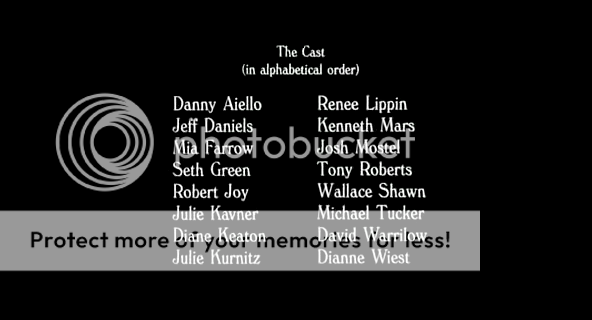
is distinctive of perhaps being the only Allen film that collects most of his regular troupe of actors, from Mia Farrow to Julie Kavner, from Dianne Wiest to Diane Keaton, from Jeff Daniels to Wallace Shawn. It’s a great film to start the week with, but afterwards I wondered: what else had I missed out on?


 9:36 PM |
Rob Reiner, 1947-2025
9:36 PM |
Rob Reiner, 1947-2025